A small business website does not need dozens of pages to be effective. In many cases, a well-planned website with 5 to 10 essential pages can provide everything customers need to understand a business, explore its services, and get in touch.
The ideal number of pages depends on the type of business, its services, target audience, location, and marketing goals. A local service business may need fewer pages than an ecommerce company or a business offering services in multiple locations.
The key is not to create as many pages as possible. Instead, every page should have a clear purpose and provide useful information to visitors.
How Many Pages Does a Small Business Website Need?
For many small businesses, a basic website can include:
- Home
- About
- Services
- Individual Service Pages
- Contact
- FAQ
- Testimonials or Reviews
- Blog
- Privacy Policy
- Terms and Conditions
Not every business needs all of these pages.
For example, a simple local business may only need five main pages, while a company with multiple services may need several additional service pages.
1. Homepage
The homepage is usually the most important page on a small business website.
It should quickly explain:
- What your business does
- Who you help
- Where you operate
- Why customers should choose you
- What action visitors should take next
A strong homepage may include:
- Clear headline
- Short introduction
- Main services
- Benefits
- Customer reviews
- Images
- Calls to action
- Contact information
The homepage should give visitors enough information to understand your business without overwhelming them.
2. About Page
The About page gives visitors more information about the business.
It can include:
- Company background
- Business story
- Experience
- Team members
- Values
- Qualifications
- Achievements
- Mission
Customers often want to know who they are dealing with before contacting a business.
For a small company, an authentic and clear About page can help build trust.
3. Services Page
A Services page provides an overview of what your business offers.
For example, a web design agency might list:
- Web design
- WordPress development
- Ecommerce development
- SEO
- Website maintenance
Each service can have a short description and a link to a dedicated service page if more information is required.
4. Individual Service Pages
If your business offers several important services, creating separate pages for each service can be useful.
For example:
- Web Design
- WordPress Development
- SEO Services
- Ecommerce Development
- Website Maintenance
Individual service pages allow you to explain each service in more detail.
They can include:
- Service benefits
- Process
- Features
- Pricing information
- Frequently asked questions
- Examples
- Testimonials
- Calls to action
Separate service pages can also help visitors find the exact information they are looking for.
5. Contact Page
Every business website should make it easy for customers to get in touch.
A Contact page can include:
- Phone number
- Email address
- Contact form
- Business address
- Opening hours
- Social media profiles
- Location information
Keep the contact process simple. Asking visitors to complete a long and complicated form can discourage enquiries.
6. FAQ Page
A Frequently Asked Questions page can answer common questions before customers contact you.
Questions might cover:
- Pricing
- Services
- Delivery
- Availability
- Process
- Payment
- Timescales
- Support
An FAQ section can reduce repetitive enquiries and help customers make decisions more easily.
For some businesses, FAQs can be included on relevant service pages rather than having a separate FAQ page.
7. Testimonials or Reviews Page
Customer reviews can help demonstrate trust and credibility.
A dedicated testimonials page can include:
- Customer comments
- Ratings
- Case studies
- Before-and-after examples
- Client results
You can also place selected testimonials throughout your website instead of creating a separate page.
8. Blog
A blog is not essential for every small business, but it can be useful for businesses that want to publish educational content.
Blog articles can cover:
- Industry advice
- Customer questions
- How-to guides
- Product information
- Service explanations
- Business updates
Regularly publishing useful content can also support your broader content marketing and SEO strategy.
However, there is little value in creating a blog if you do not have the time or resources to maintain it.
9. Privacy Policy
A Privacy Policy explains how your business collects, uses, stores, and manages personal information.
For example, if your website collects information through contact forms, newsletter sign-ups, or customer accounts, visitors should be able to understand how their information is handled.
The exact legal requirements depend on your business and the jurisdictions in which you operate.
10. Terms and Conditions
Some businesses may also need a Terms and Conditions page.
This can explain important rules and conditions related to using the website, purchasing products, receiving services, or interacting with the business.
The requirements depend on the type of business and website.
How Many Pages Does a Local Business Need?
A local business may be able to operate effectively with around 5 to 8 main pages.
For example:
- Home
- About
- Services
- Service details
- Reviews
- Contact
- FAQ
- Privacy Policy
A local business with multiple services or locations may benefit from additional pages.
How Many Pages Does a Service Business Need?
A service-based business should consider creating individual pages for its most important services.
For example, a cleaning company might have:
- Home
- About
- Residential Cleaning
- Commercial Cleaning
- Deep Cleaning
- End of Tenancy Cleaning
- Reviews
- FAQ
- Contact
This structure gives customers detailed information about each service.
How Many Pages Does an Ecommerce Website Need?
Ecommerce websites usually require more pages because they contain products and categories.
An online store may have:
- Home
- About
- Shop
- Product categories
- Individual product pages
- Contact
- FAQ
- Shipping information
- Returns policy
- Privacy Policy
- Terms and Conditions
The number of product pages depends on how many products the business sells.
Do More Website Pages Improve SEO?
More pages do not automatically mean better SEO.
Creating hundreds of low-quality pages simply to increase the page count can make a website harder to manage and may provide little value to visitors.
Instead, focus on creating useful pages that answer real customer questions and provide valuable information.
For a small business, quality and relevance are generally more important than having a large number of pages.
Should Every Service Have Its Own Page?
Not necessarily.
If you offer several closely related services, they may be explained together on one page.
However, separate pages can be useful when:
- Services are significantly different
- Customers search for them separately
- Each service requires detailed information
- Each service has different benefits or processes
- You want dedicated marketing pages
The goal should be to create a clear website structure rather than creating pages simply for the sake of increasing page numbers.
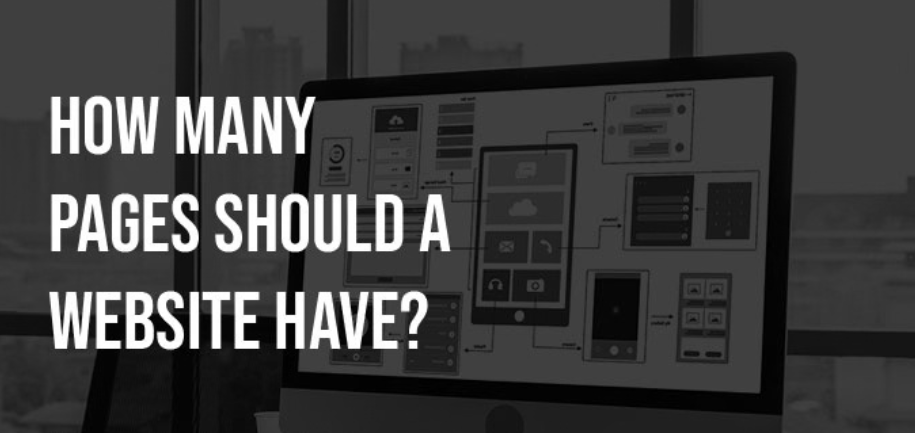
What Makes a Good Small Business Website Structure?
A simple structure might look like this:
Home
→ About
→ Services
→ Service 1
→ Service 2
→ Service 3
→ Reviews
→ FAQ
→ Contact
Additional pages can be added when they provide genuine value.
The navigation should remain simple enough that visitors can quickly find the information they need.
Should a Small Business Have a Blog?
A blog can be valuable, but it is not mandatory.
A blog may be worthwhile if you can regularly publish useful content related to your customers’ questions.
For example, a plumbing company could publish articles about:
- Common plumbing problems
- How to prevent blocked drains
- When to replace pipes
- Boiler maintenance
- Emergency plumbing advice
If you cannot maintain the blog, it may be better to focus on improving your core business pages first.
Avoid Creating Unnecessary Pages
A common mistake is creating too many pages without a clear purpose.
Before adding a new page, ask:
- What information will this page provide?
- Who will use it?
- Does it answer a customer question?
- Does it support a business goal?
- Is the information different from another page?
If the answer is no, you may not need the page.
Focus on User Experience
The number of pages should never be the main goal.
A website with seven well-designed pages can be more effective than one with 50 poorly organised pages.
Visitors should be able to:
- Understand your business quickly
- Find services easily
- Navigate between pages
- Read content comfortably
- Find contact information
- Complete important actions
A simple website structure can make the customer journey much easier.
How to Plan Your Website Pages
Before building your website, create a sitemap.
Start with your main pages and then add supporting pages where necessary.
For example:
Main Pages
- Home
- About
- Services
- Contact
Supporting Pages
- Individual services
- FAQ
- Reviews
- Blog
Legal Pages
- Privacy Policy
- Terms and Conditions
- Cookie information where applicable
This approach helps you create a clear structure before development begins.
Final Thoughts
So, how many pages does a small business website need?
For many businesses, 5 to 10 well-planned pages can provide a strong starting point. The exact number depends on your services, products, customers, location, and business goals.
At a minimum, most small businesses should consider a Home, About, Services, and Contact page. Additional service pages, FAQs, reviews, blog content, and legal pages can be added when they provide genuine value.
The goal is not to build the biggest website possible. The goal is to create a website that gives customers the right information, makes navigation easy, supports your business objectives, and provides a clear path to taking action.